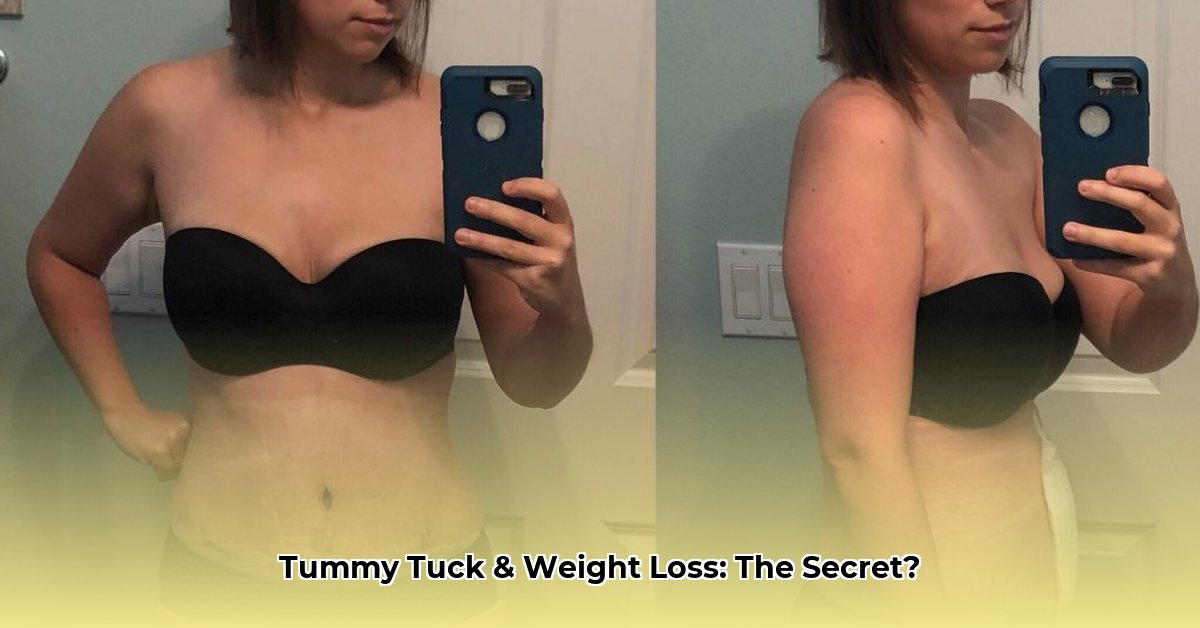
Let's address the common misconceptions surrounding tummy tucks and weight loss. Many believe abdominoplasty (tummy tuck) is a weight-loss solution; it's not. Instead, it's a body contouring procedure that reshapes your midsection by removing excess skin and fat, and tightening underlying abdominal muscles. It’s crucial to understand that a tummy tuck will not replace a healthy lifestyle and weight management strategies.
What is an Abdominoplasty?
A tummy tuck is a surgical procedure designed to remove excess skin and fat from the abdomen. It also involves tightening the abdominal muscles (plication), resulting in a flatter, firmer midsection. It's important to remember that achieving your best results requires being close to your target weight before the procedure.
Types of Tummy Tucks
Several types of abdominoplasties cater to different needs and amounts of excess skin and fat:
- Full Tummy Tuck: This comprehensive procedure addresses the entire abdomen, from rib cage to pubic bone, requiring a longer recovery period.
- Mini Tummy Tuck: This focuses on the lower abdomen, ideal for patients with excess skin and fat below the belly button, offering a faster recovery.
- Extended Tummy Tuck: This addresses excess skin and fat on the flanks (sides) in addition to the abdomen, resulting in a more extensive recovery time.
- Fleur-de-lis Tummy Tuck: This technique uses a more complex incision pattern, allowing for the removal of substantial amounts of excess tissue but involving a longer recovery process.
Setting Realistic Expectations: Abdominoplasty and Weight Loss
It's crucial to have realistic expectations. A tummy tuck isn't a weight-loss solution. Optimal results are achieved when patients are already near their ideal weight. Significant weight loss after surgery can negatively impact the results. Consider it a refinement of your existing physique, not a complete transformation. Isn't it important to be realistic about what this surgery can achieve?
Preparing for Your Tummy Tuck
- Consult a Surgeon: This is paramount. Discuss your goals, medical history, and concerns. A qualified surgeon will address all your questions thoroughly.
- Pre-Operative Diet: Your surgeon will provide specific dietary guidelines; generally, a low-sodium diet weeks before surgery can minimize post-operative swelling.
- Smoking Cessation: This is critical. Smoking impairs healing and increases complications. Quitting well before surgery is essential for optimal outcomes. How important is it to your health and the success of the procedure that you eliminate smoking?
Post-Operative Care and Recovery
Follow your surgeon's instructions meticulously for optimal healing. Expect the following:
- Medication: Adhere strictly to prescribed pain relievers and antibiotics.
- Compression Garments: These are typically worn for several weeks to reduce swelling and support healing.
- Activity: Gradually increase activity levels as directed by your surgeon. Avoid strenuous exercise until cleared.
- Diet: Maintain a healthy diet to support recovery and prevent weight gain. Is it not vital to support your body's healing process with proper nutrition?
Potential Risks and Complications
While rare, potential risks include infection, hematoma/seroma (blood or fluid buildup), poor wound healing, blood clots, nerve damage, and unsatisfactory results. Open communication with your surgeon is key to understanding these possibilities and mitigating risks.
Long-Term Success: Maintaining Your Results
Maintaining a healthy weight after your tummy tuck is vital for long-term results. Regular exercise and balanced nutrition are crucial. Remember that results will evolve over time, so continued healthy habits are essential.
Minimizing Tummy Tuck Scarring
While a tummy tuck significantly improves your physique, scarring is an inherent aspect of the surgery. The type of incision (horizontal, vertical, circumumbilical, or Fleur-de-lis) dictates scar location and length. Minimizing scarring involves:
- Choosing an Experienced Surgeon: Selecting a board-certified surgeon with extensive abdominoplasty experience is crucial.
- Post-Operative Care: Following instructions meticulously, using silicone sheeting or gel, protecting incisions from sunlight, and gentle massage (as guided by your surgeon) can significantly improve scar appearance.
- Long-Term Scar Management: Laser therapy or microneedling may be options for older scars.
Remember, complete scar elimination isn't always possible, but their appearance can be improved. The journey to a flatter abdomen is a comprehensive process requiring preparation, commitment, and realistic expectations. Maintaining a healthy lifestyle is fundamental to both pre- and post-operative success.